It is unfortunate how many people are put off by Christians/Christianity because there are so many variations, interpretations and approaches to the theology. It is a vast catechism to navigate. To help someone understand the true intent and foundational principal of Jesus’ sacrifice, they first need to understand what grace is, why we have it, and why we give it. I have found this to be a difficult topic to discuss, even with the most like minded people.
We all have an interpretation of the limits (or lack of limits) God has set on grace. We can strive at every moment to live righteously and within the law, but our flesh has determined our guilt at birth. Grace is the love and forgiveness God offers the unworthy. None of us deserve it, but all of us are offered it. By accepting Jesus as our Savior, we received the gift of grace. Through Him we are fully restored and redeemed from our sin.
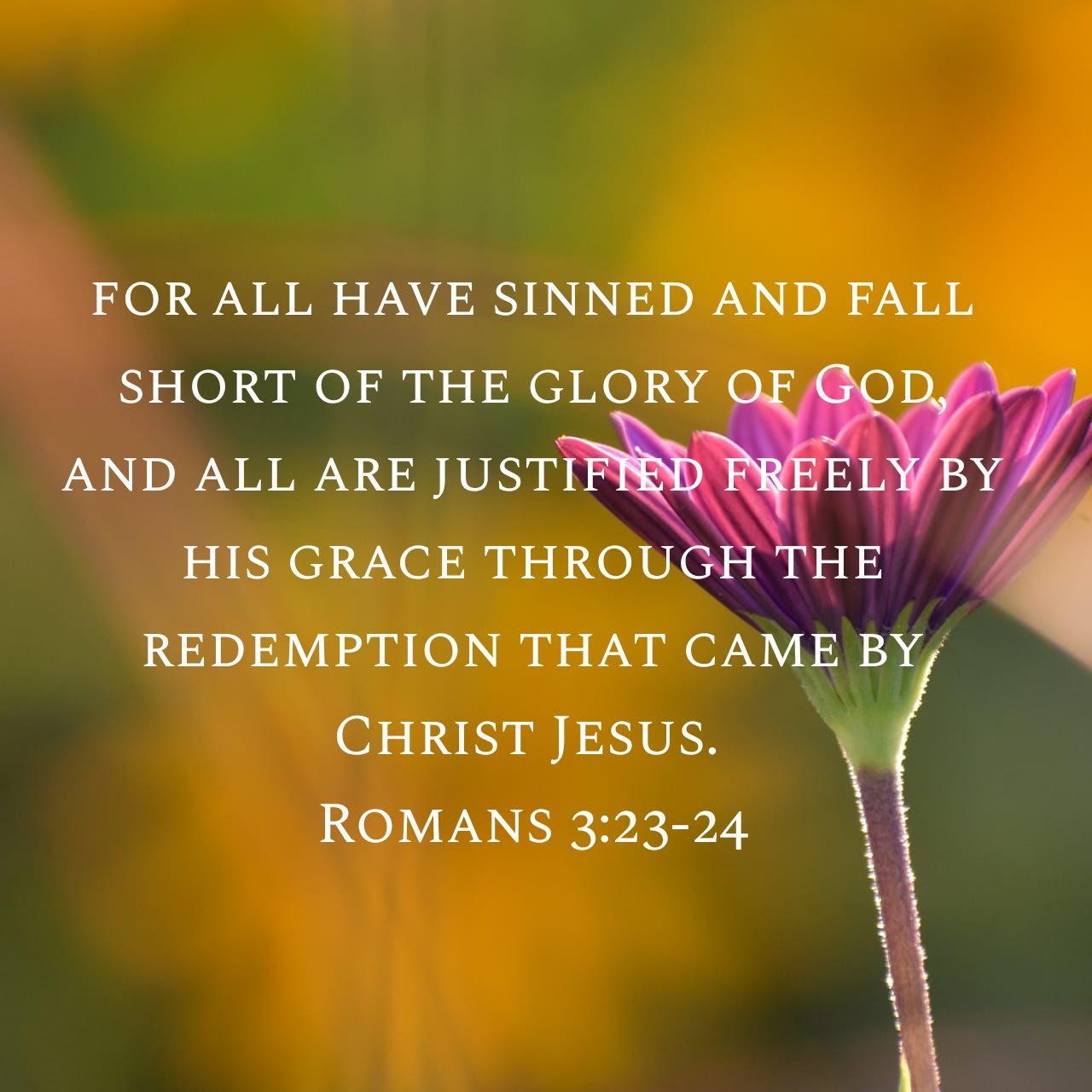
Sin is inherent to man. There are so many examples of men and women in the Bible, who fell short and God still loved, accepted, redeemed, restored, directed, ordained and blessed them. David was one of the most prominent and vocal about confessing, repenting and crying out to God for grace, mercy and forgiveness. He recognized the severity of his sin and often repented throughout the book of Psalms.
Psalm 51 is David’s confession and cry for God’s grace and restoration. David acknowledges our nature to sin, “Surely I was sinful at birth, sinful from the time my mother conceived me.”. He begs for God’s mercy and cleansing, and repents for the sin he had committed. Before Christ, God was still merciful and gracious. He had a plan, perfectly orchestrated to fulfill His promise. A perfect sacrifice for the redemption we so desperately require.
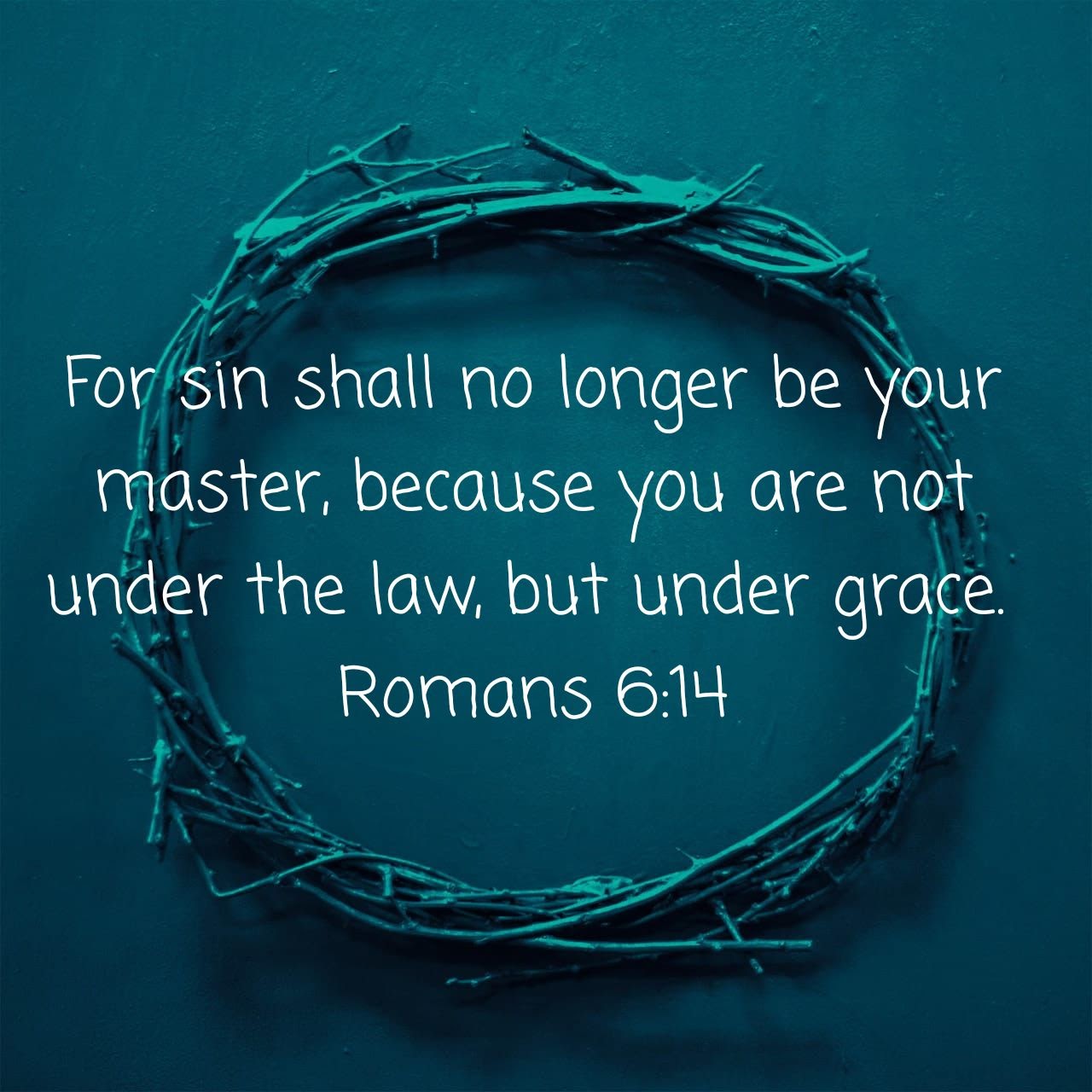
Grace doesn’t annul the law. Sin is still sin, and we should always strive to do what is right in His sight. But, God already knows our shortcomings, as well as the intent of our hearts. If He didn’t, He would not have had a contingency plan to save us from ourselves. Grace is the opportunity to redirect, ask for forgiveness and receive it. It is our way back to His arms when we feel undeserving and broken.
God’s character didn’t change between the Old and New Testament. He has always been a Father. Discipline, sacrifice, and love, have always existed within Him. Some want to believe that God is vengeful, condemning and neglectful to this world, and us. They are wrong. Even when there is unbelief, He always has patience and unconditional love for us. The sacrifice He made, an embodiment of that love.
“But because of his great love for us, God, who is rich in mercy, made us alive with Christ even when we were dead in transgressions—it is by grace you have been saved.“ Ephesians 2:4-5

 HopeRiizingCO
Leave a comment